Checklist: spot broad indemnification clauses before you subscribe
You found the perfect SaaS tool, the pricing looks fair, and the feature list checks every box. But buried deep in the terms of service is a single paragraph th

Photo by Tara Winstead from Pexels
You found the perfect SaaS tool, the pricing looks fair, and the feature list checks every box. But buried deep in the terms of service is a single paragraph that could make you financially responsible for the vendor's own mistakes. That paragraph is the indemnification clause, and if it is written too broadly, you are signing up for far more than a monthly subscription fee. This checklist will help you spot those clauses, understand what they really mean, and decide whether the risk is worth it, all before you click "I agree."
TL;DR
- An indemnification clause shifts legal costs and liability from the service provider to you, the subscriber.
- Broad clauses can make you pay for the vendor's negligence, third-party claims, or even data breaches they caused.
- Look for trigger words like "any and all claims," "arising out of or related to," and "regardless of cause."
- Use the free Terms Doctor extension to automatically flag overly broad indemnification language across 101 consumer-protection checks.
- When in doubt, negotiate the clause or walk away, cheaper tools exist.
What is an indemnification clause, and why should you care?
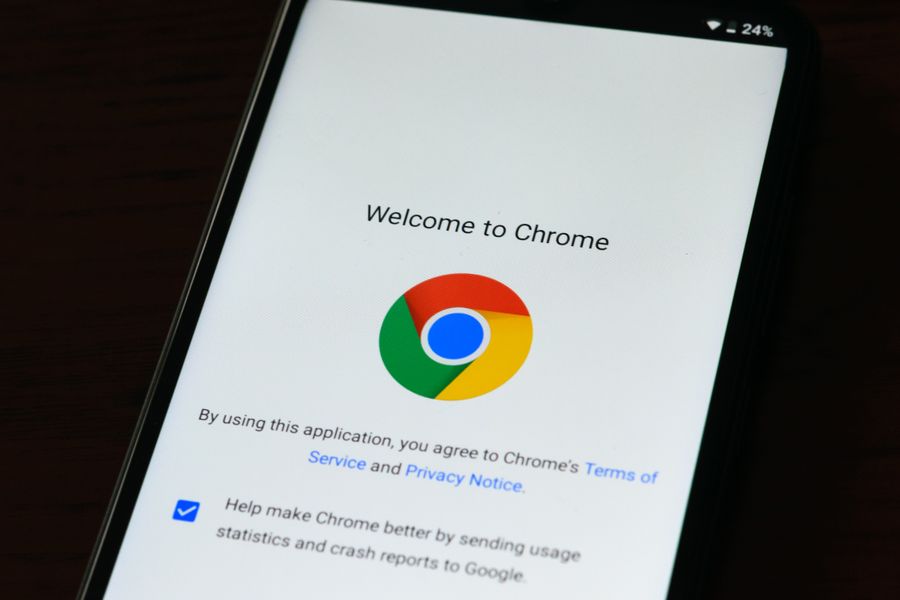
In plain language, an indemnification clause is a promise that you will cover someone else's losses. In a typical SaaS agreement, the vendor asks you to "indemnify, defend, and hold harmless" the company if a legal claim arises from your use of the service. That sounds reasonable on the surface, if you upload pirated content to a cloud platform, the platform shouldn't have to pay for your copyright infringement.
The problem starts when the clause is broad enough to cover situations that are not your fault. Some terms of service extend indemnification to:
- Claims arising from the vendor's own security failures or data breaches.
- Third-party lawsuits triggered by bugs in the vendor's software.
- Any dispute "related to" the service, even if you did nothing wrong.
- Losses caused by the vendor's subcontractors or partners.
Key takeaway: An indemnification clause is not inherently bad, but a broad one can shift unlimited financial risk onto you for events you cannot control.
Red flags: language patterns that signal a broad clause

You do not need a law degree to spot the warning signs. Here are the most common language patterns that indicate an indemnification clause has been drafted too broadly:
- "Any and all claims", This phrase removes limits on the types of claims covered. A fair clause specifies categories (e.g., intellectual property infringement by the user). A broad clause uses catch-all language.
- "Arising out of or related to", The word "related to" is much wider than "arising out of." Courts have interpreted "related to" to cover claims with only a tangential connection to your use of the service.
- "Regardless of cause" or "whether or not caused by your negligence", This explicitly includes the vendor's own mistakes. If you see this, the vendor is asking you to pay even when they are at fault.
- "Including but not limited to", Another catch-all that expands the scope beyond the examples listed.
- No cap on liability, A well-drafted clause limits your exposure to a specific dollar amount (often the fees you paid). If there is no cap, your exposure is theoretically unlimited.
- No mutual obligation, Fair agreements include mutual indemnification: the vendor also indemnifies you. If the obligation flows only one way, the balance of risk is skewed.
- "Sole expense", This means you pay all legal costs upfront, even before a court decides who is at fault.
"The critical elements of this clause are highlighted in the Review of Indemnification Clauses.">, Indemnification Clauses Checklist for Sponsored Research Agreements and Clinical
Step-by-step: how to review an indemnification clause before subscribing
Follow these steps every time you evaluate a new tool or service:
- Find the clause. Use your browser's search function (Ctrl+F) and look for "indemnif." This catches "indemnify," "indemnification," and "indemnified." Alternatively, install the Terms Doctor extension, it automatically locates the terms of service page and highlights relevant sections for you.
- Read the trigger. Identify what actions or events trigger your indemnification obligation. Is it limited to your breach of the agreement, or does it extend to "any use" of the service?
- Check the scope of claims. Does the clause cover only third-party intellectual property claims, or does it include "any and all claims, damages, losses, liabilities"?
- Look for a liability cap. Scroll to the limitation of liability section (often nearby). Confirm whether the indemnification obligation is subject to the same cap. Some agreements cap general liability but explicitly exclude indemnification from that cap.
- Verify mutuality. Search for a second indemnification paragraph where the vendor indemnifies you. If it does not exist, note the imbalance.
- Assess the "control of defense" provision. Some clauses require you to let the vendor choose the lawyers and control the legal strategy, at your expense. This removes your ability to settle quickly or minimize costs.
- Compare with alternatives. If the clause is too broad, check competing services. Terms Doctor's A-F grading makes side-by-side comparison fast: a tool graded B is likely to have fairer indemnification language than one graded D or F.
- Negotiate or walk away. For paid plans, especially annual contracts, vendors will sometimes narrow the clause if you ask. Send a short email referencing the specific paragraph and requesting mutual indemnification with a liability cap.
The complete indemnification-clause checklist
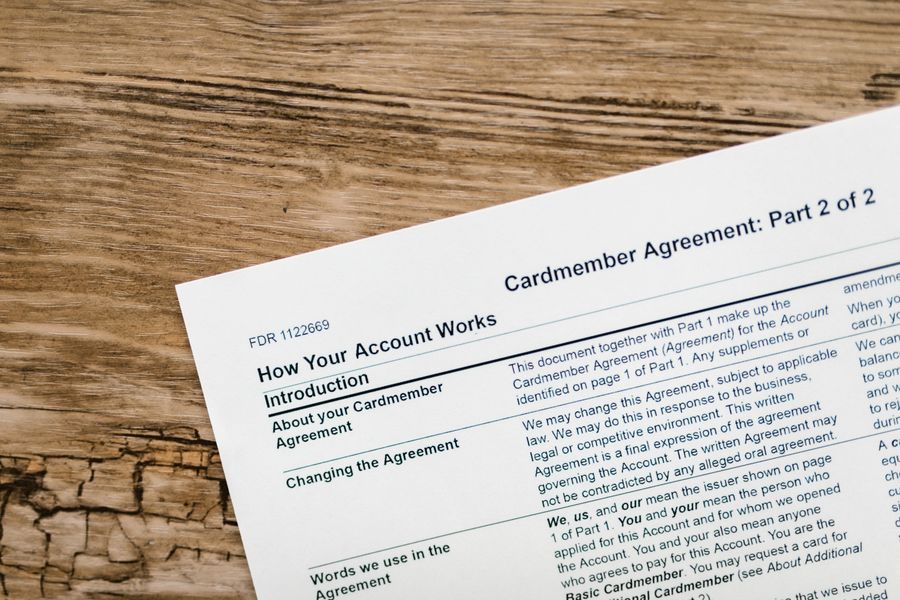
Use this checklist every time you review a new subscription. Print it, bookmark it, or let Terms Doctor handle the heavy lifting automatically.
Indemnification Clause Review Checklist
Your progress is saved automatically in your browser.
Real-world scenarios: what broad indemnification looks like in practice
Understanding theory is one thing; seeing it in context is another. Here are three common scenarios where broad indemnification clauses create real risk for everyday subscribers:
Scenario 1: The data-breach pass-through
A cloud storage provider suffers a breach exposing your files. Their terms state you indemnify them against "any claims arising out of or related to your use of the service, including claims by third parties." A client whose data was in your account sues the provider, and the provider turns to you for reimbursement under the indemnification clause. You did nothing wrong, but the language is broad enough to loop you in.
Scenario 2: The AI-training surprise
An AI writing tool's terms include an indemnification clause covering "any intellectual property claims related to outputs generated through the service." If the AI produces text that infringes someone's copyright, you, not the company that trained the model, could be responsible for defending the claim and paying damages.
Scenario 3: The auto-renewal trap with teeth
A project management platform auto-renews your annual contract. During the renewal period, a subcontractor of the platform causes downtime that costs a third party money. The terms require you to indemnify the platform and its "affiliates, partners, and subcontractors." You are now potentially liable for losses caused by a company you have never heard of.
These scenarios are not hypothetical edge cases. They reflect language patterns found in real terms of service across popular SaaS categories. Terms Doctor's 101 checks specifically flag forced arbitration, AI training on user data, auto-renewal traps, and broad indemnification, giving you a clear warning before you subscribe.
How Terms Doctor helps you catch these clauses automatically
Manually reviewing every terms-of-service page is tedious and error-prone. The free Terms Doctor browser extension, available for Chrome, Edge, Brave, Opera, and Vivaldi, automates the process:
- Automatic ToS discovery: Visit any website and Terms Doctor finds the terms of service page for you.
- 101 consumer-protection checks: The extension scans for broad indemnification, forced arbitration, AI data training, auto-renewal, and dozens of other red flags.
- A-F grading: Each set of terms receives a letter grade with plain-language explanations, so you can compare services at a glance.
- Red-flag highlights: Problematic clauses are highlighted directly in the document, saving you from reading thousands of words of legalese.
- Change tracking: If a vendor updates their terms, Terms Doctor alerts you so you can re-evaluate.
FAQ
Frequently Asked Questions
Protect yourself before you click "I agree"
Broad indemnification clauses are one of the most overlooked risks in everyday software subscriptions. They hide in plain sight, wrapped in dense legal language that most people skip. But with a simple checklist and the right tools, you can spot them in minutes. Install the free Terms Doctor extension for Chrome, Edge, Brave, Opera, or Vivaldi, and let it run its 101 consumer-protection checks, including indemnification analysis, every time you visit a new service. It takes seconds, costs nothing, and could save you from signing up for liability you never intended to accept.
Disclaimer: This article is for educational purposes only and does not constitute legal advice. For specific legal questions about indemnification clauses, consult a qualified attorney.
Additional Resources
- Indemnification Clauses Checklist for Sponsored Research ... - 1. Does the protocol belong to the Sponsor? · 2. Does Sponsor want the University to indemnify Sponsor? · 3. Does Sponsor's indemnification cover the proper ...
- Indemnification Clauses Explained: How Indemnity Works ... - Indemnification clauses shift liability between contract parties. Learn how they work, common traps, and how to negotiate fair terms.
- The Indemnification Clause in Commercial Contracts - A well-crafted indemnity clause ensures that all parties are adequately protected in case of a dispute or loss. Here's what you should know.
Ready to Read Terms Before You Sign?
Terms Doctor finds terms of service on any site and grades them A-F in seconds.
Get Started“Terms Doctor flagged forced arbitration and AI training clauses in seconds. I finally know what I am agreeing to.”
Privacy-conscious shopper